Accra Positioned Again as a Strategic Hub in a Coordinated Anti-Rights Network
Ghana is scheduled to host the 4th African Inter-Parliamentary Conference on Family, Sovereignty and Values in Accra from May 27–30, 2026 — marking the first time the gathering will be held in West Africa.
According to a Facebook post published by the Parliament of Uganda – with comments made by its Speaker Anita Annet Among:
“The Speaker, Anita Among has called for stronger African institutions to advance the continent’s interests while preserving its values and traditions. She said a strong Africa is better able to secure its future and guard against cultural distortions.”

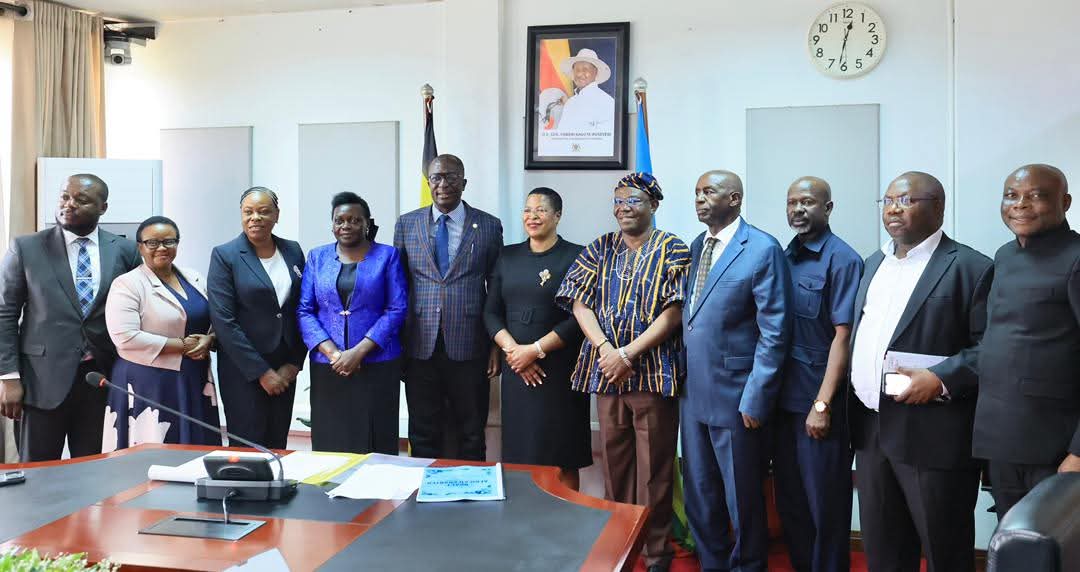
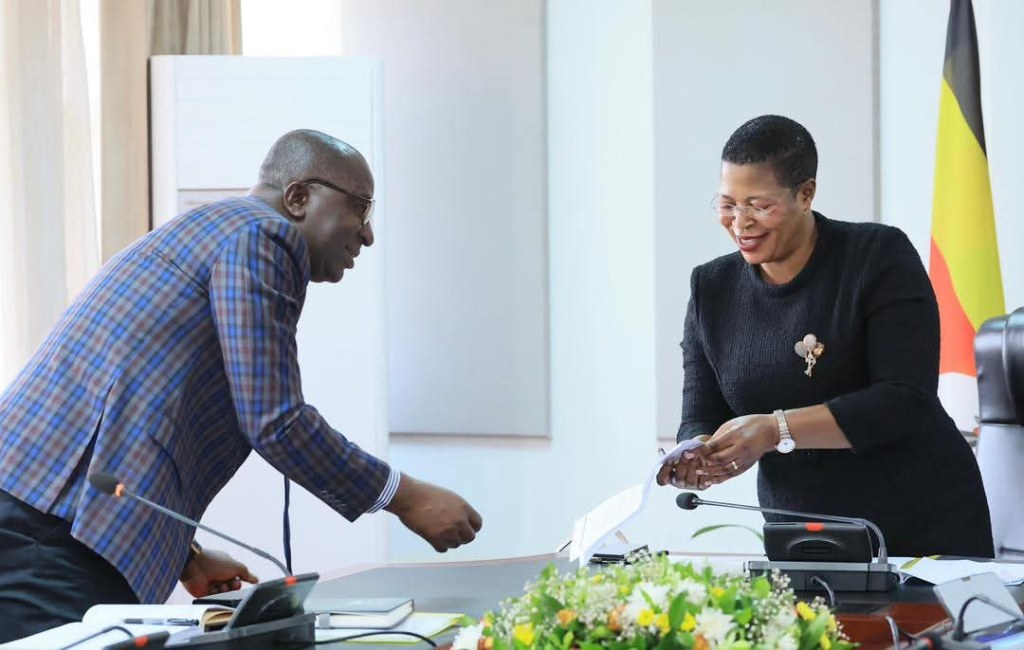
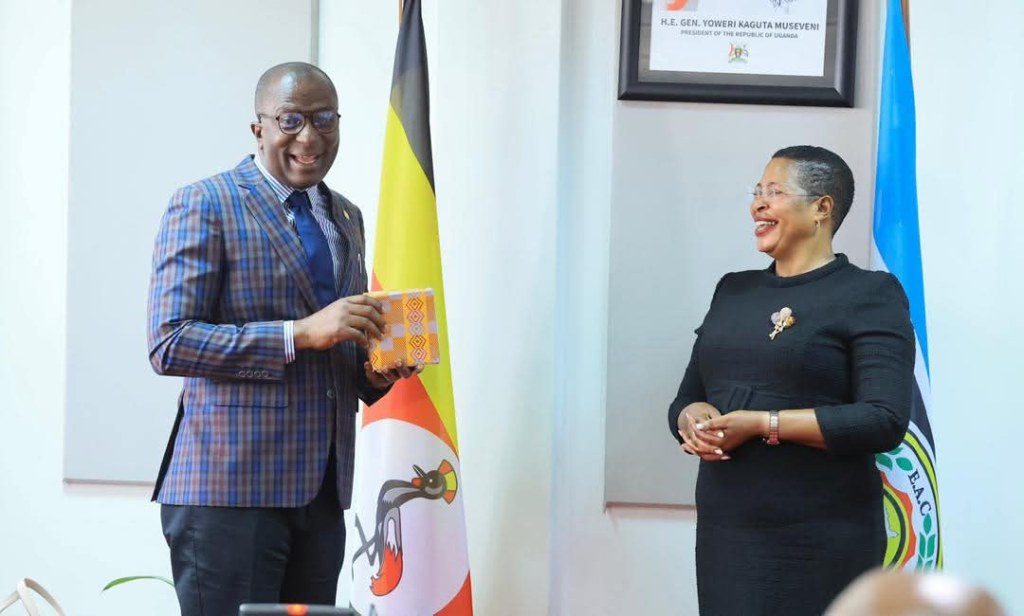
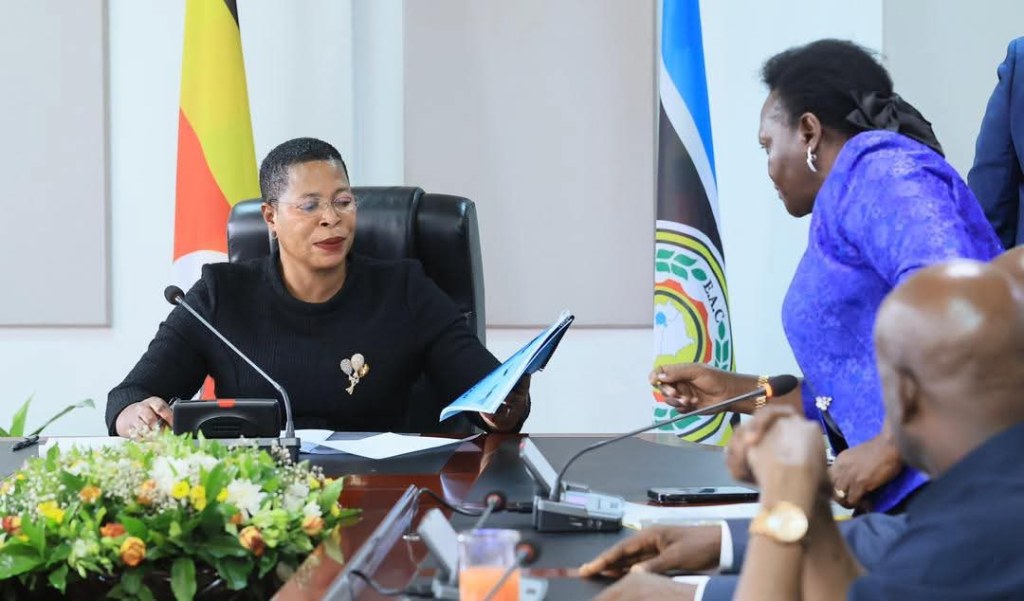
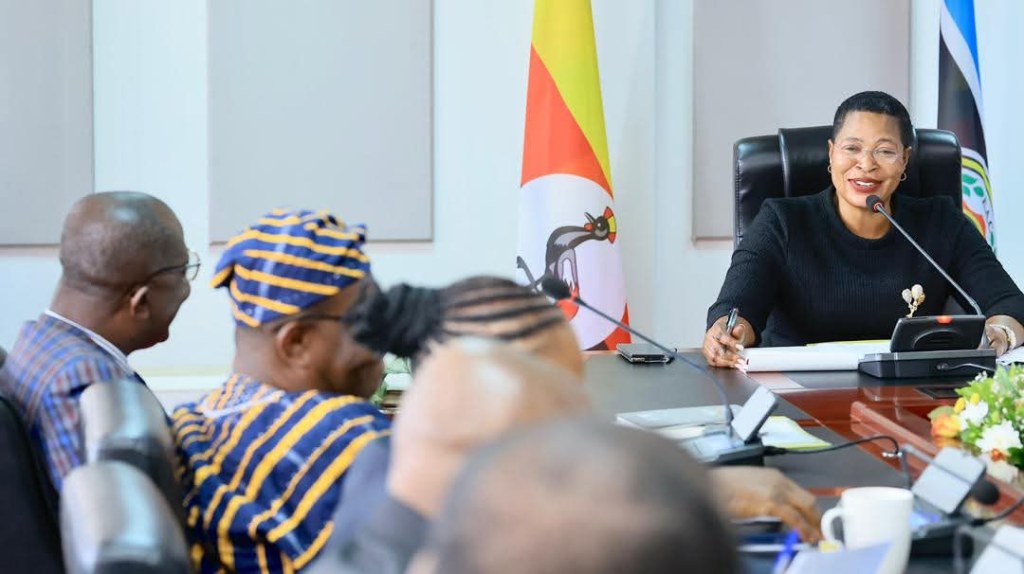
She made the remarks while receiving a delegation from Ghana’s Parliament led by Second Deputy Speaker Andrew Asiamah Amoako, who visited Uganda on February 11, 2026, as part of preparations for the Accra conference. Uganda hosted the previous three editions.
Organisers frame the conference as a platform to defend “African cultural values” and strengthen sovereignty. However, human rights analysts and civil society actors describe it as a structured coordination forum designed to advance anti-LGBTQ legislation, restrict sexual and reproductive health and rights (SRHR), and mobilise parliamentary resistance to international human rights norms.
The decision to host the conference follows sustained parliamentary engagement between Ghana and Uganda and coincides with renewed legislative momentum in Ghana, where an anti-LGBTQ bill received its First Reading on February 17, 2026.
Yet this is not the first time Accra has served as a convening ground for transnational anti-LGBTQ organising. A review of developments since 2019 suggests a pattern of recurring international coordination with domestic legislative consequences.
Historical Precedent: The 2019 Accra Conference and Its Aftermath
In 2019, the US-based World Congress of Families — headed by Brian Brown — hosted its African Regional Conference in Accra.
The conference brought together religious leaders, politicians, activists and conservative advocacy organisations from across Africa and beyond. It promoted opposition to LGBTQ rights, comprehensive sexuality education (CSE), and reproductive health frameworks, framing them as foreign ideological imports incompatible with African culture.
That same year, Ghana experienced intense backlash against a proposed Comprehensive Sexuality Education policy for schools. The policy, developed within broader educational and public health frameworks, was attacked by groups including the National Coalition for Proper Human Sexual Rights and Family Values. Following sustained public pressure campaigns, the government withdrew the policy.
Observers note that alliances strengthened during the 2019 Accra conference played a catalytic role in consolidating networks that later drafted and introduced the Human Sexual Rights and Family Values Bill in 2021 — Ghana’s first major legislative attempt to codify sweeping anti-LGBTQ provisions.
The recurrence of Accra as a convening space — first in 2019 and now in 2026 — suggests a continuity of transnational mobilisation rather than isolated domestic policy development.
World Congress of Families has been designated as a hate group by the Southern Poverty Law Center for their advocacy against LGBTQ rights.
Uganda’s Legislative Model: From Conference Platform to Criminal Statute
Uganda has hosted the previous three editions of the African Inter-Parliamentary Conference (2023, 2024, 2025, here and here), positioning itself as a legislative pioneer in what it describes as the defence of “family values.” The conferences have been linked to Sharon Slater’s Family Watch International, an organisation which has been designed as a hate group by the Southern Poverty Law Center.
The Ugandan trajectory illustrates how such conferences can function as legislative incubators.
Uganda Timeline
- March 21, 2023 – Parliament passes the Anti-Homosexuality Act.
- April 2023 – Inter-Parliamentary Conference on Family Values and Sovereignty held in Uganda with delegates from 22 African countries.
- May 26, 2023 – President assents to the Act.
The law introduced:
- Life imprisonment for consensual same-sex relations
- The death penalty for “aggravated homosexuality”
- Up to 20 years’ imprisonment for “promotion”
- Mandatory reporting obligations
- Criminal liability for landlords, NGOs and service providers
Shortly after the 2023 conference, lawmakers in other African jurisdictions such as Kenyan MP George Peter Kaluma, signalled intentions to replicate similar provisions, reinforcing the perception that these gatherings facilitate cross-border legislative modelling.
The October 28, 2025 Lobbying Mission in Accra
Ghana’s hosting role emerged after a formal lobbying mission.
In June 2025, Ghana’s Speaker of Parliament, Alban Bagbin, visited Uganda at the invitation of Uganda’s Speaker, Anita Among, to attend the opening of the 5th Session of Uganda’s 11th Parliament. During the visit, Speaker Anita Among publicly thanked Speaker Bagbin and the people of Ghana for their solidarity during Uganda’s legislative process to pass the Anti-Homosexuality Act. According to reports, Among revealed that while many “rejected” her after the passage of the act, Bagbin did not abandon her and instead provided support and professional brotherhood. Bagbin reaffirmed his own firm opposition to LGBTQ+ activities during this visit, describing them as “not natural” and “not African.”
On October 28, 2025, a delegation of Ugandan Members of Parliament visited Ghana’s Parliament to advocate for Accra to host the next conference.
During parliamentary proceedings, Speaker Alban Sumana Kingsford Bagbin the delegation and encouraged Ghanaian MPs to engage them in “experience learning” on anti-LGBTQ legislation. He acknowledged that Uganda was “ahead” of Ghana, having enacted the Anti-Homosexuality Act and hosted previous editions of the conference.
Uganda’s Speaker, has publicly framed the Accra conference as part of strengthening African institutions to guard against what she described as “cultural distortions.”
Internal assessments reviewed by observers indicate that organisers view Ghana as a strategic expansion point — a politically influential West African democracy whose participation would significantly broaden the geographic reach and legitimacy of the conference network.
Legislative Synchronisation: Uganda Benchmarking and Ghana’s First Reading
Parliamentary diplomacy intensified in early 2026.
On February 11, 2026, a Ghanaian parliamentary delegation — including Second Deputy Speaker Andrew Asiamah Amoako — visited Uganda for benchmarking engagements linked to the conference process and potential hosting transition.
The Ghanaian delegation travelled to Uganda to study and assess Uganda’s experience in organising and hosting the previous three editions of the conference. The visit was framed as a benchmarking mission aimed at understanding the structure, coordination mechanisms, and political strategy that underpinned Uganda’s stewardship of the initiative.
According to a report by Uganda-based NewVision, Hon. Amoako described Ghana’s decision to host the next session as both deliberate and symbolic, stating that it builds directly on the foundation Uganda has laid in rallying African legislators around themes of sovereignty, culture, and values.
“We are here to take the mantle that Uganda started a couple of years ago, and that is about fighting for African values,” Amoako said. “Uganda has held this session three times and some of us have participated in all three. We have seen the importance of it.”
He further clarified that Ghana had originally intended to host the upcoming edition the previous year, but scheduling conflicts arising from both countries’ electoral cycles delayed the transition. Following discussions, Uganda agreed that Ghana should move forward with preparations for the fourth edition.
“Our mission is simple. We came to benchmark, to discuss what we have done so far, to identify where we may be falling short and to seek direction from the pioneers,” Amoako said. “From what we have observed and learned from Hon. Sarah Opendi’s team, we are confident and comfortable in hosting the fourth session.”
On February 17, 2026 — six days later — Ghana’s anti-LGBTQ bill received its First Reading in Parliament.
The sequence of events has drawn scrutiny:
- October 28, 2025 – Ugandan MPs lobby Ghana.
- February 11, 2026 – Ghanaian delegation visits Uganda.
- February 17, 2026 – Anti-LGBTQ bill receives First Reading.
While parliamentary cooperation is common within African legislative networks, the timing mirrors patterns observed in Uganda, where conference convenings preceded or coincided with legislative enactment.
Speaker of Uganda’s Parliament Anita Annet Among, speaking on February 11, 2026, stressed that African political leaders must assume primary responsibility for determining the continent’s legislative priorities and cultural trajectory rather than relying on what she characterised as external direction. She framed the discussion as one of continental self-determination and institutional leadership.
“The future of our people lies in us as leaders. If we do not sit on a round table like this and resolve our own issues, nobody will come from anywhere to solve them for us,” she said.
Among called on legislators across Africa to pass laws that, in her view, safeguard moral and cultural norms within their respective societies. She pointed to Uganda’s legislative actions as an example of decisive policymaking.
“In Parliament of Uganda, we legislated and passed the Anti-Homosexuality Act, which is now in place. It has created enemies from outside, but internally we are at peace,” Among said, adding that the law was intended to curb what she described as the promotion and recruitment of homosexuality, particularly in schools.
Reinforcing her position, she underscored the principle of domestic legislative control over social policy.
“As leaders, African problems can only be solved locally by us,” she reiterated. “We must legislate for our people in a way that preserves our values and cultures.”
Among also assured Ghana of Uganda’s readiness to provide institutional and technical backing as Accra prepares to host the upcoming conference. This includes the possibility of deploying a support team to assist with programme design and coordination.
“If you have not picked everything you need, we can give you a team to support you,” Among said. “We shall be there and we will even deliver a paper on our experience from the Ugandan perspective.”
Core Policy Agenda of the Conference Network
Across editions and related gatherings, the conference network has advanced a consistent agenda:
1. Expansion of Anti-LGBTQ Criminalisation
Promotion of laws modelled on Uganda’s 2023 statute.
2. Criminalisation of Advocacy and Support
Targeting NGOs, journalists, educators, health workers and landlords providing services to LGBTQI+ persons.
3. Opposition to Comprehensive Sexuality Education
Framing CSE as foreign ideological indoctrination — a narrative also deployed in Ghana in 2019.
4. Restriction of Reproductive Health and Rights
Opposition to abortion access, contraception, and broader SRHR frameworks.
5. Resistance to International Agreements
Encouraging rejection of multilateral agreements characterised as sovereignty threats.
The Sovereignty Paradox: External Ideological Infrastructure
Despite rhetoric centred on resisting Western cultural influence, the organisational architecture of these conferences often includes Western conservative actors and have provided platforms, messaging strategies, and policy framing at previous events.
Critics describe this as a sovereignty paradox: denunciation of Western liberal values alongside reliance on Western conservative networks for strategic coordination, legislative templates, and advocacy infrastructure.
Democratic and Regional Implications
Ghana has historically been regarded as a regional leader in democratic governance, peaceful electoral transitions, and media pluralism.
Critics argue that Ghana does not typically look to Uganda as a benchmark in areas such as economic governance, democratic consolidation, or press freedom. However, in the domain of legislation targeting sexual and gender minorities, Uganda has emerged as a reference model.
Hosting the 4th African Inter-Parliamentary Conference may therefore represent more than diplomatic hospitality. It may signal:
- Consolidation of transnational anti-LGBTQ legislative coordination
- Expansion of structured anti-rights networks into West Africa
- Increased policy diffusion pressure on neighbouring states
Conclusion: Accra at a Strategic Crossroads
The May 27–30, 2026 conference represents a significant inflection point.
Accra has previously served as a launchpad for coordinated anti-LGBTQ mobilisation in 2019, followed by legislative drafting in 2021. The forthcoming conference suggests a renewed phase of transnational coordination, this time at the parliamentary level.
If convened as planned, the gathering will:
- Mark the formal expansion of the conference network into West Africa
- Deepen Uganda–Ghana legislative alignment
- Potentially accelerate restrictive laws across the region
As Uganda pledges experience-sharing and strategic support, the Accra conference appears positioned not merely as a symbolic event — but as a consolidation point in a broader, continent-wide campaign reshaping legal and policy landscapes affecting LGBTQI+ persons and SRHR frameworks across Africa.
Below are images shared by Parliament of Ghana on Facebook when the Ghanaian delegation visited
 Rightify Ghana