A recent investigation by Reuters has revealed that the U.S.-based anti-LGBTQ organisation MassResistance worked with Senegalese activists advocating for harsher anti-LGBTQ legislation, highlighting the growing role of transnational conservative networks in shaping anti-LGBTQ policies across Africa.
MassResistance Links to Senegal’s Anti-LGBTQ Law
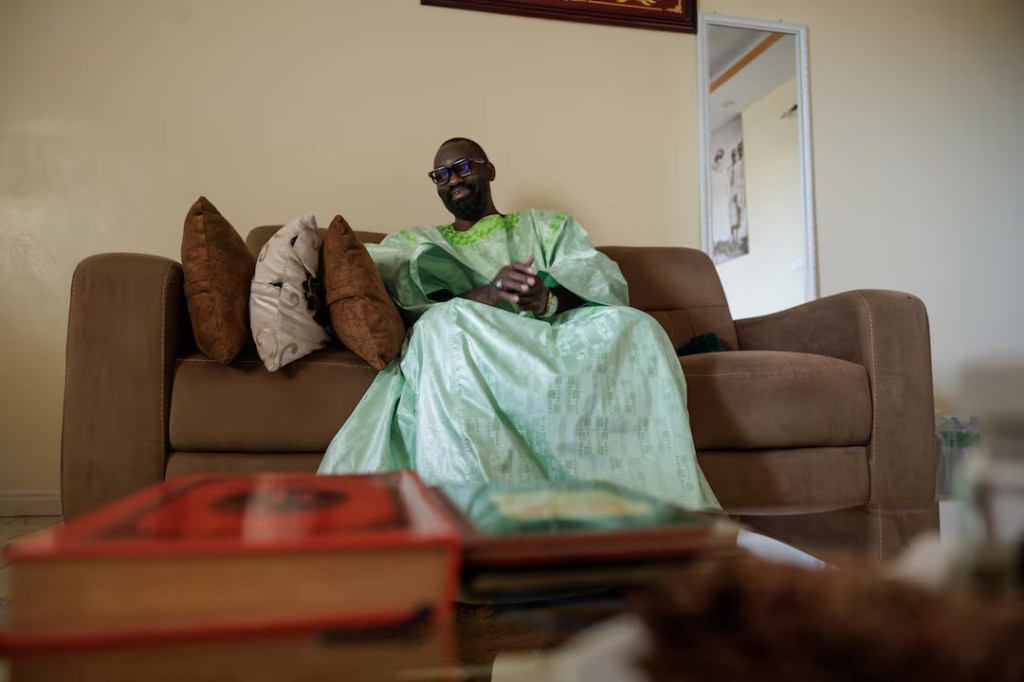
According to the report, activists from the Senegalese conservative movement ‘And Sàmm Jikko Yi’ consulted with MassResistance on campaign strategy, mobilisation, and advocacy aimed at strengthening anti-LGBTQ legislation in Senegal.
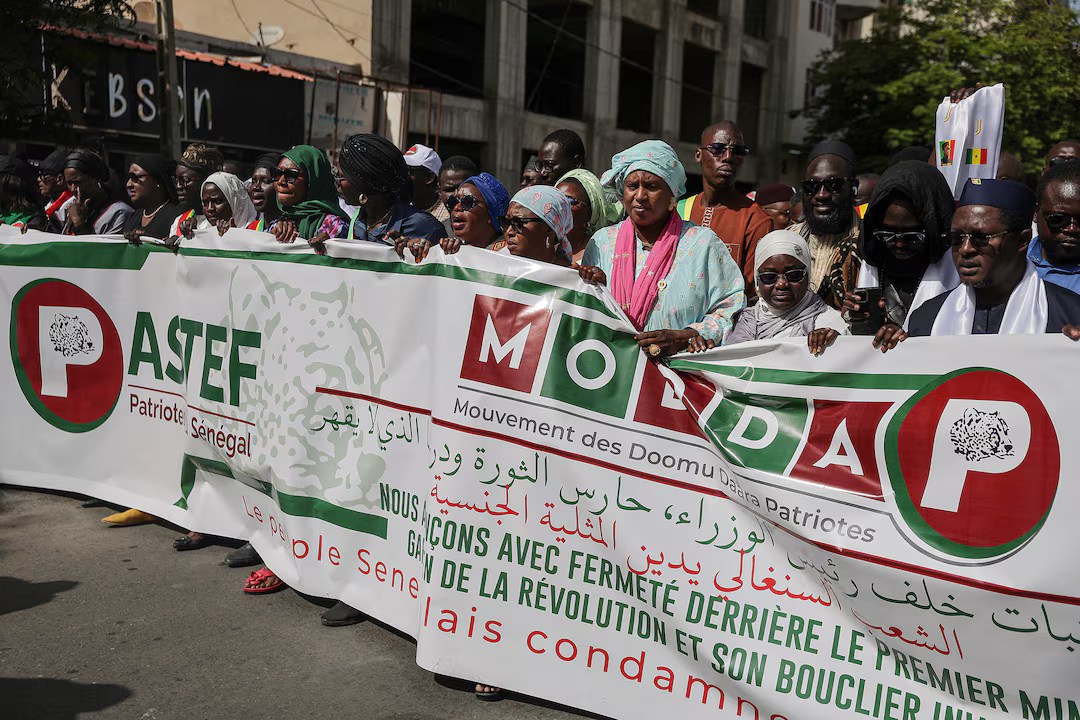
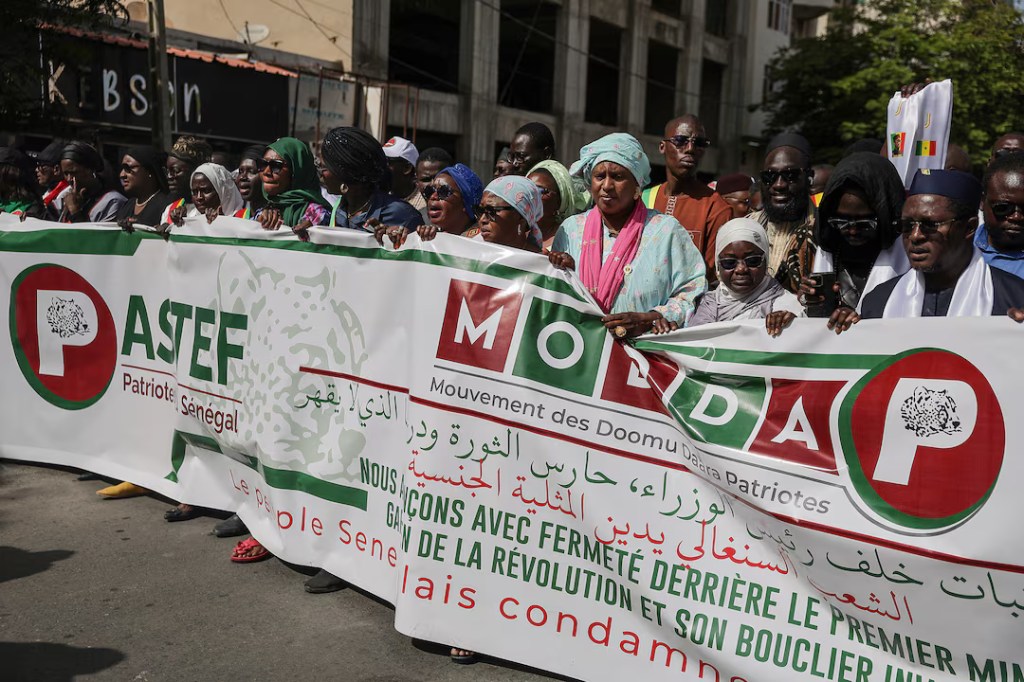
Senegal’s parliament recently approved legislation that doubles the maximum prison sentence for same-sex sexual acts from five to ten years and criminalises the so-called “promotion” of homosexuality. The measure received overwhelming support in parliament and now awaits presidential assent.
Leaders of And Sàmm Jikko Yi confirmed discussions with MassResistance beginning in late 2024, where tactics for public awareness campaigns and engagement with political leaders were discussed. While the precise influence of this collaboration on the vote remains unclear, analysts note that the case represents one of the first known instances of a U.S. organisation supporting a push for harsher anti-LGBTQ legislation in Africa since the return of Donald Trump to the U.S. presidency in 2025.
Activities in Ghana
MassResistance has also been active in Ghana through its collaboration with the Ghana-based organisation Freedom International, led by Frank Mackay Anim-Appiah.
In a 2024 publication, MassResistance described its partnership with Freedom International to establish “anti-LGBTQ youth clubs” in secondary schools across Ghana. The initiative aims to counter what the groups describe as the spread of LGBTQ “ideology” among young people.
One documented example is the Anti-LGBTQ Youth Club at Bueman Senior High School in Jasikan in the Oti Region. According to MassResistance, the clubs meet weekly for approximately two hours and use materials produced by MassResistance, Freedom International, and allied conservative organisations.
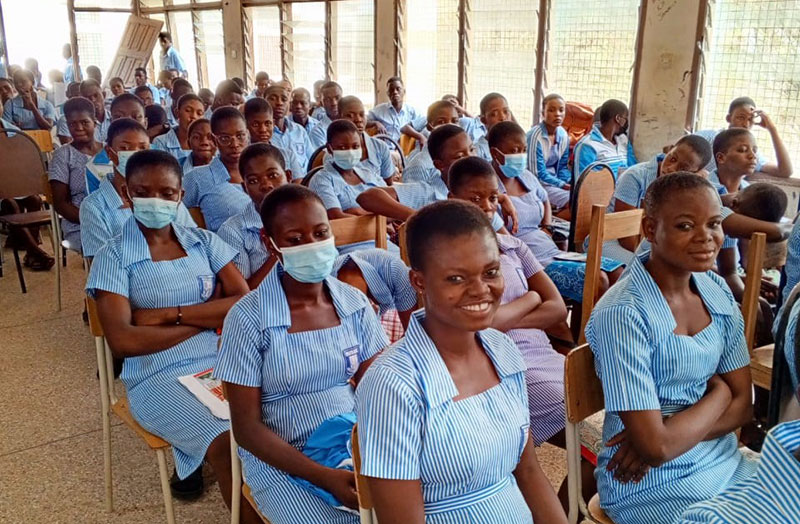
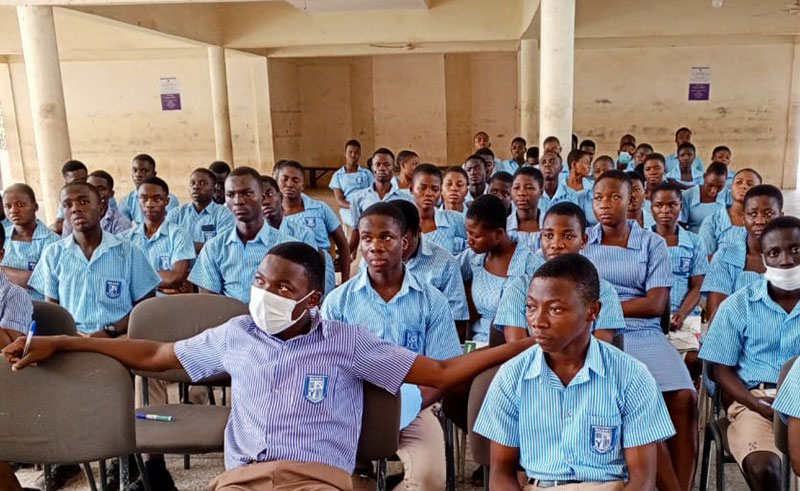
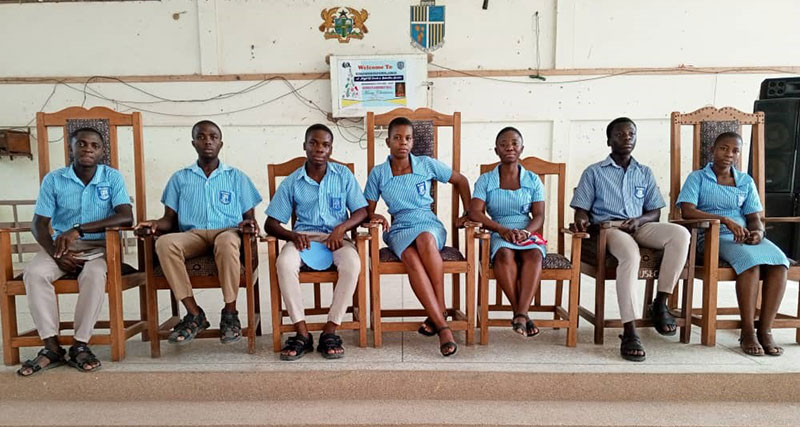
The programme reportedly includes group discussions, lectures on sexuality framed through conservative religious perspectives, public speaking and writing exercises, and inter-school debates organised at district, regional, and national levels. Selected student essays are also reportedly published in Freedom International’s newsletter.
Anim-Appiah has also toured schools across Ghana warning about what he describes as the “infiltration” of LGBTQ advocacy, while MassResistance has reportedly attempted to secure financial support for these efforts from international donors.
The “Trump Effect”
The collaboration comes amid a shift in U.S. foreign policy under President Donald Trump, which conservative groups say has created a more favourable environment for their advocacy internationally.
MassResistance field director Arthur Schaper told Reuters that the group believes countries now face less pressure from Washington to adopt policies protecting LGBTQ rights. The current U.S. administration has also shifted foreign assistance priorities away from programmes focused on gender and sexual minority rights.
Researchers say this shift has emboldened transnational “pro-family” networks linking U.S. Christian right organisations with activists and political actors across Africa.
Western Networks Behind “Un-African” Claims
Anti-LGBTQ campaigns across Africa frequently frame LGBTQ identities as “un-African” or a Western import. Yet investigations and academic research show that many anti-LGBTQ campaigns on the continent are themselves supported and funded by Western conservative organisations.
Groups often cited in research on this transnational movement include:
- MassResistance
- World Congress of Families
- Family Watch International
- CitizenGO
- International Organization for the Family
- Alliance Defending Freedom
Several of these organisations were involved in the 2019 African Regional Conference of the World Congress of Families held in Accra, where they collaborated with local partners including the Ghana-based National Coalition for Proper Human Sexual Rights and Family Values.
The conference brought together international and African anti-LGBTQ activists to promote conservative family policies and coordinate advocacy strategies across the continent.
Both the World Congress of Families and Family Watch International have been designated as hate groups by the Southern Poverty Law Center.
Growing Regional Coordination
Ghana is set to host the 4th African Inter-Parliamentary Anti-LGBTQ Conference on “Family, Sovereignty and Values” in Accra from May 27–30, 2026, marking the first time the gathering will be held in West Africa.
The conference follows months of engagement between Ghanaian lawmakers and officials from , including benchmarking visits shortly before Ghana’s proposed anti-LGBTQ legislation received its First Reading in Parliament in February 2026.
This is not the first time Accra has hosted such organising. In 2019, the U.S.-linked convened its African regional conference in Ghana. That same year, a coordinated backlash against Comprehensive Sexuality Education (CSE) forced the government to withdraw its proposed policy framework. CitizenGO and Advocates for Christ Ghana have launched petitions together in the past to attack LGBTQ+ rights and comprehensive sexuality education (CSE). A similar campaign by Family Watch International against CSE in Ghana is still here and here.
In addition, below are flyers from the 2019 conference as shared by anti-rights group, CitizenGo, at their Facebook page.
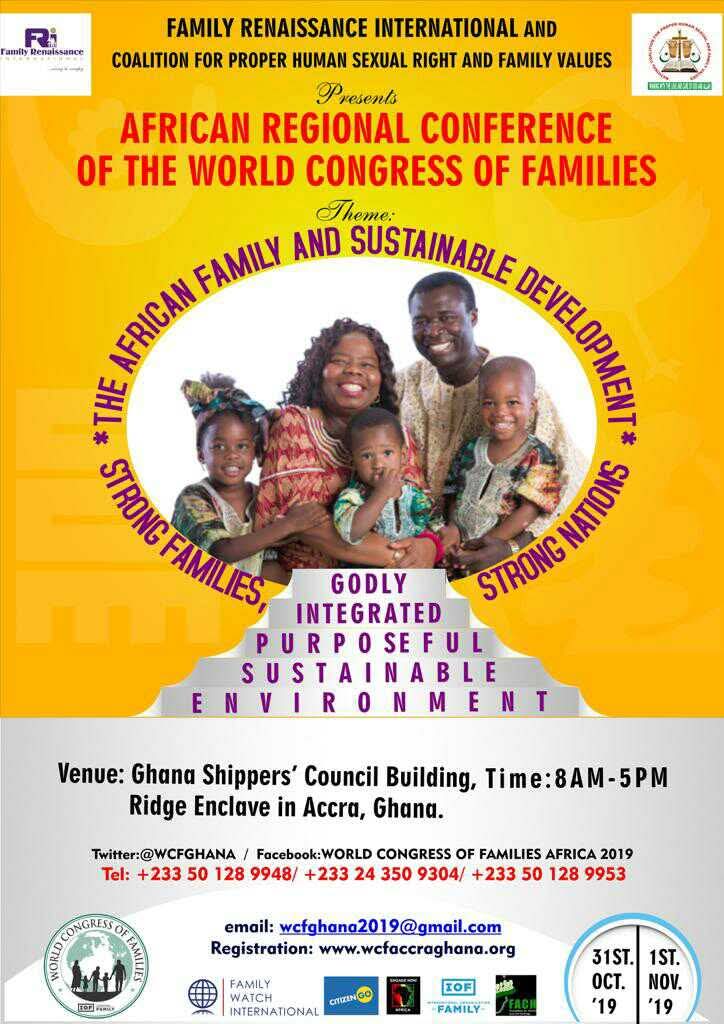
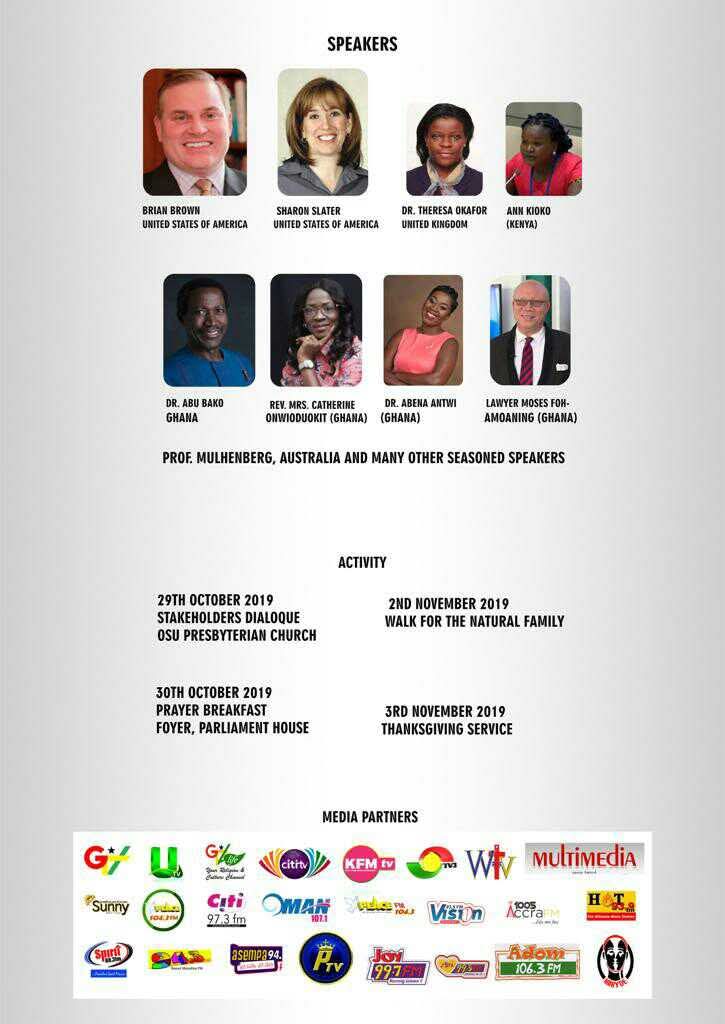
Observers note that alliances formed during that period helped shape later legislative efforts, including the drafting and introduction of the Human Sexual Rights and Family Values Bill in 2021.
Public Health Concerns
Health experts warn that increasingly punitive anti-LGBTQ legislation could undermine efforts to combat , particularly among key populations such as men who have sex with men.
Criminalisation and fear of arrest may push people underground, making it more difficult for health workers to provide testing, prevention, and treatment services. In Senegal, national HIV prevalence is relatively low, but infection rates among men who have sex with men are significantly higher in some urban areas.
A Critical Moment for the Region
With Ghana preparing to host another major anti-LGBTQ conference in 2026, observers warn that regional coordination around restrictive laws may intensify, potentially influencing legislation across West Africa.
Accra now stands at a critical moment, with developments that could shape debates on human rights, public health, and sexual and reproductive health and rights across the region for years to come.
 Rightify Ghana