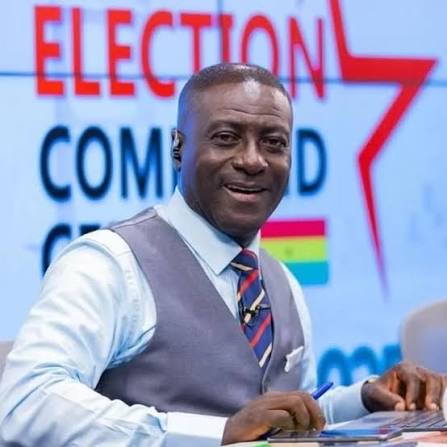
A Ghanaian broadcast journalist, Blessed Godsbrain Smart, popularly known as Captain Smart, has made explicit and violent statements against LGBTQ+ persons, including threats directed at his own children, during a live broadcast on Onua TV/FM.
Speaking on his Onua Maakye morning show on Wednesday, March 25, 2026, he stated:
“As I am sitting here right now, if you are my son and decide to marry a male… I will buy a poisonous substance… and kill you.”
He further added:
“If my daughter says she doesn’t like men… I will beat her to death.”
Ethical Breach and Regulatory Concerns
As of now, Captain Smart’s remarks have not yet attracted widespread public criticism or formal sanction, raising concern about accountability within Ghana’s media space.
However, the statements clearly raise serious ethical and professional issues, particularly under the standards expected of journalists. The comments,advocating violence and using derogatory language, appear to be in direct conflict with the ethical obligations of responsible journalism, including respect for human dignity, avoidance of harm, and accuracy.
The remarks are widely viewed as inconsistent with the principles enshrined in the code of ethics of the Ghana Journalists Association, which emphasises professionalism, responsibility, and the avoidance of incitement
Given the gravity of the statements, the incident warrants urgent attention from regulatory and oversight bodies, including the National Media Commission, which is mandated to ensure high journalistic standards and protect the public interest in broadcasting.
Context: Anti-LGBTQ Bill and Escalating Rhetoric
The remarks were made in reaction to the decision by Lincoln University to cancel a planned visit and honorary doctorate for President John Dramani Mahama.
The controversy is linked to Ghana’s Human Sexual Rights and Family Values Bill, 2025, currently before the Parliament of Ghana, which proposes sweeping criminal penalties related to LGBTQ+ identity, expression, and advocacy.
Observers have warned that the ongoing public discourse around the Bill is contributing to heightened hostility and harmful rhetoric, with potential real-world consequences.
Misinformation and Influence
During the same broadcast, Captain Smart also claimed that Lincoln University had previously pressured President Mahama to support LGBTQ+ rights—an assertion for which there is no verified public record.
The dissemination of unverified claims, combined with statements endorsing violence, raises broader concerns about misinformation and the influence of high-profile media figures on public perception.
Broader Social Context
A 2025 survey by the Pew Research Center found that over 90% of Ghanaians would feel uncomfortable having a child who comes out as gay or lesbian. While these findings reflect prevailing societal attitudes, experts caution that public endorsement of violence crosses a dangerous threshold.
Contrasting Voices: Calls for Protection and Support
In contrast, Reverend Faustina Araba Forson, mother of Ghanaian transgender musician Angel Maxine, has urged parents to support and protect their LGBTQ+ children. She has spoken out against stigma and warned against policies that may endanger vulnerable individuals, including provisions that could require parents to report their own children.
A Test of Media Accountability
Captain Smart’s remarks highlight a critical issue: the role of media in either escalating harm or promoting responsible dialogue.
In a climate already marked by fear, discrimination, and legislative uncertainty, statements that appear to endorse violence—particularly from influential broadcasters—underscore the urgent need for accountability, ethical enforcement, and responsible journalism in Ghana.
The response of institutions such as the National Media Commission and the Ghana Journalists Association will be closely watched as calls grow for scrutiny and action.
 Rightify Ghana