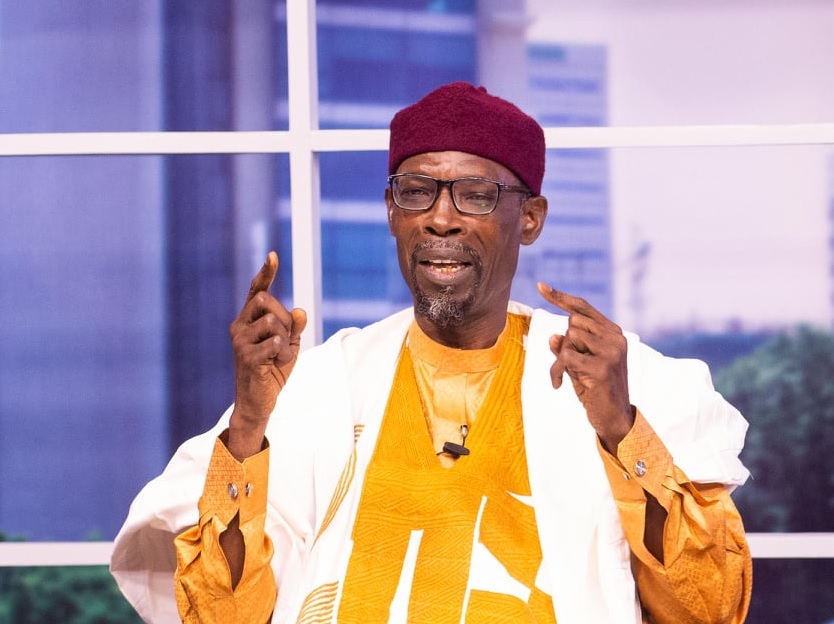
ACCRA — Sheikh Arimiyaw Shaibu, spokesperson for the National Chief Imam, Sheikh Osmanu Nuhu Sharubutu, has appealed to President John Dramani Mahama to ensure the passage and assent of the Anti-LGBTQ Human Sexual Rights and Family Values Bill, 2025, describing it as a deeply important issue for the Chief Imam.
Speaking on ’GTV Ghana’s Breakfast Show on April 2, 2026, Shaibu emphasised the strength of the Chief Imam’s position against LGBTQ+ issues.
“His stance is so strong against LGBT. His wish would have been that you would sign this or expedite the process before he dies.”
Call for Urgency
According to the spokesperson, the passage of the bill is not only a moral issue but also a political priority that should be treated with urgency by the current administration.
“The passing of the Anti-LGBTQ+ bill into law was a priority during the campaigns, and it should be a top priority for government.”
Impact on 2024 Elections
Shaibu further argued that the Anti-LGBTQ bill significantly influenced voter behaviour during the 2024 general elections, shaping public opinion and political choices.
“The key thing that was influencing people’s mindset about the voting in the 2024 general elections was the anti-LGBTQ bill.”
President Mahama’s Position
The appeal comes amid recent comments by President ,John Draman Mahama, who has described LGBTQ+ issues as “highly emotive and sensitive” but not the most pressing challenge facing Ghana.
Speaking during a Presidential Dialogue with Civil Society Organisations at the Jubilee House, the President stressed the need to prioritise urgent socio-economic concerns.
“I explained during my recent engagement with the World Affairs Council that it is not the most important issue we face as a nation.”
“We are still grappling with the provisions of basic needs of education, health care, jobs, food, clothing, and shelter.”
He also reiterated that the bill before the Parliament of Ghana is a private member’s bill, and emphasised that such matters should be handled through democratic processes, dialogue, and the rule of law.
Concerns Over Framing of the Debate
The framing of the issue as a “last wish” has also raised concerns among observers, who argue that such narratives risk introducing emotional pressure into a complex legislative process. Critics note that public policy—particularly one with far-reaching constitutional and human rights implications—should be guided by evidence, legal principles, and inclusive democratic debate, rather than personal sentiments or appeals that may be perceived as coercive.
Growing National Pressure
The Chief Imam’s position adds to mounting pressure from religious and political actors as Ghana continues to debate the future of the bill. The issue remains at the centre of national discourse, reflecting broader tensions between religious influence, democratic governance, and human rights considerations.
 Rightify Ghana