
Accra Anti-LGBTQ Conference Rescheduled from May 27-30, 2026 to June 3-6, 2026 as Uganda–Ghana Coordination Deepens and Continental Anti-Rights Charter Push Intensifies
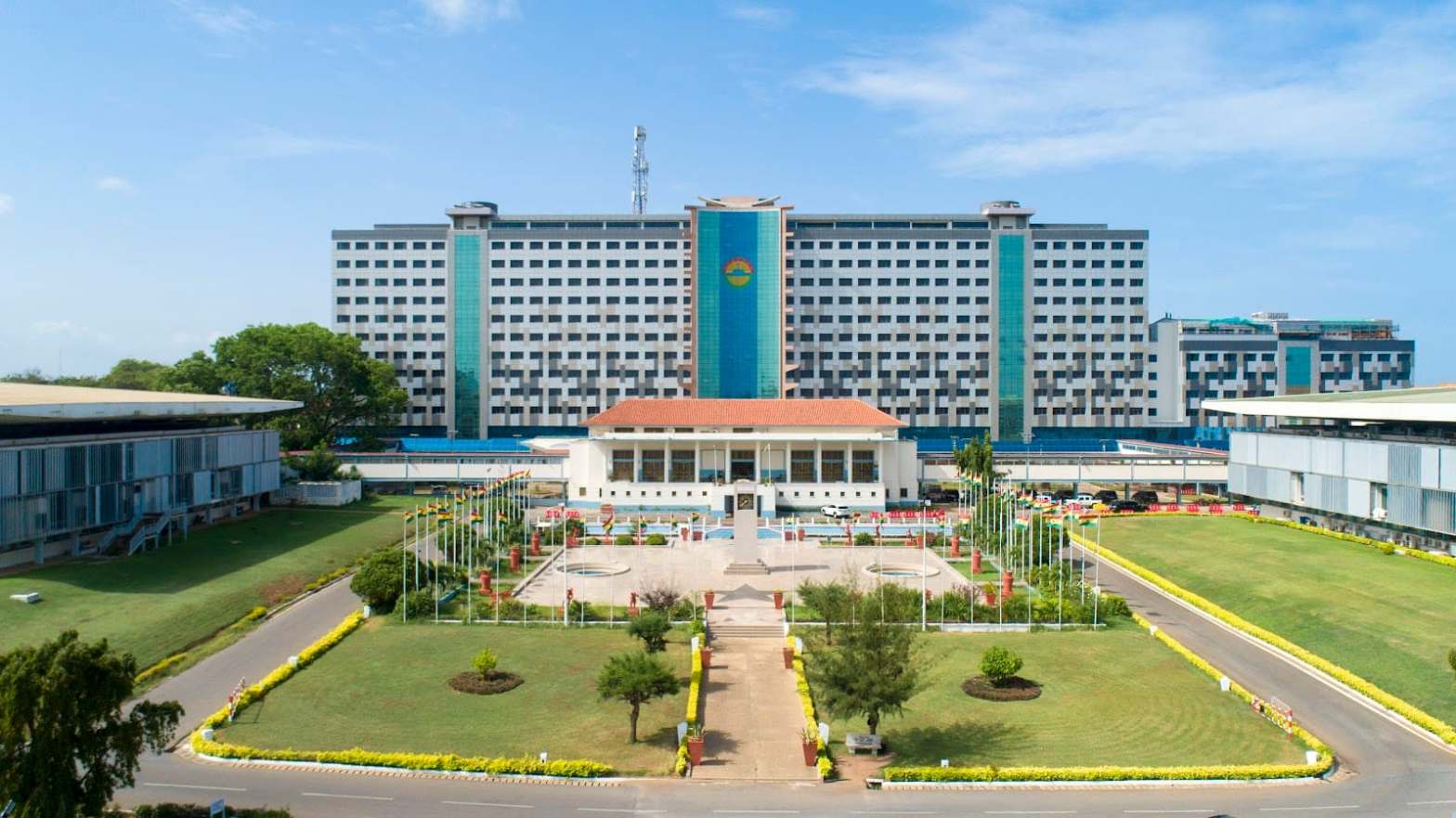
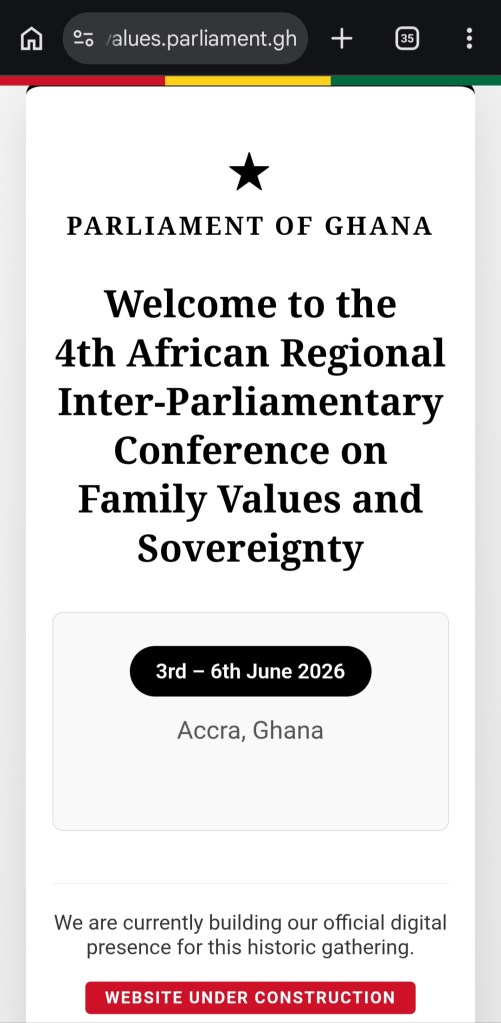
The 4th African Inter-Parliamentary Anti-LGBTQ Conference on Family, Sovereignty and Values has been rescheduled to June 3–6, 2026 in Accra, according to a dedicated event website currently under construction. The site – hosted at 4thfamilyvalues.parliament.gh – is a subdomain of the official Parliament of Ghana website (parliament.gh), signalling direct institutional anchoring of the conference within Ghana’s parliamentary infrastructure. It describes the gathering as a “historic” regional convening and confirms Accra as the first West African host of the event.
While no official reason has been provided for the rescheduling, Rightify Ghana believes the change may be linked to the timing of Eid al-Adha in 2026, which is expected to begin on the evening of May 26 and end on May 30, with the main day of celebration anticipated on May 27. The earlier conference dates would have directly overlapped with this major religious observance, potentially affecting participation and logistics. The shift also comes shortly after the Parliament of Ghana reconvenes from recess on May 21, suggesting scheduling considerations within the parliamentary calendar may have further influenced the decision.
High-Level Visits Signal Advanced Preparations
On April 16, 2026, a Ugandan parliamentary delegation led by Sarah Opendi visited Ghana and held separate meetings with the Parliament of Ghana and the Ministry of Communications, Digital Technology and Innovations as part of preparations.
At Parliament, the delegation met with Second Deputy Speaker Andrew Asiamah Amoako, alongside several Members of Parliament, including sponsors of Ghana’s anti-LGBTQ bill such as John Ntim Fordjour. The Clerk to Parliament, Ebenezer Ahumah Djietror, also participated.
These engagements build on earlier exchanges, including Uganda’s October 2025 lobbying visit to Ghana and a February 2026 benchmarking trip by Ghanaian MPs to Uganda – just days before Ghana’s anti-LGBTQ bill received its First Reading. Together, these interactions point to sustained legislative coordination between the two countries.
In parallel, the Ugandan delegation held bilateral discussions with the Minister for Communications, Digital Technology and Innovations, Samuel Nartey George. According to an official statement, talks focused on coordination, broad continental participation, and developing a shared framework for policy dialogue. Both sides also explored elevating conference outcomes to the African Union through a formal communiqué process—indicating ambitions for continent-wide policy influence.⁶
Organisers and the Push for a Continental Charter
The conference is being organised by a coalition including the Inter-parliamentary Network on Family Values, Family Watch Africa, African Bar Association, and the Foundation for African Heritage, with links to international conservative actors such as Family Watch International – designated as a hate group by the Southern Poverty Law Center.
At the centre of the Accra conference agenda is the Draft African Charter on Family, Sovereignty and Values (FSV), a 2023–2025 initiative driven by African parliamentarians. The proposed Charter seeks to codify “traditional family structures,” defined as marriage between a man and a woman, while emphasising cultural identity, parental authority, and national sovereignty over social policy. It is framed by its proponents as a response to perceived foreign influence, particularly regarding LGBTQ+ rights, abortion, and comprehensive sexuality education.
At the 2025 conference, participants called for outcomes – including the Charter – to be mainstreamed through African legislatures, the African Union, and the Organization of African First Ladies, signalling a clear strategy to institutionalise these positions across governance systems.
Again in 2025, at the Annual Conference of the African Bar Association held in Accra, Session 12 focused on “Towards an African Charter of Family Sovereignty and Values,” further elevating the profile of the proposed Charter within legal and policy circles. Chaired by Augustine Richard Kakeeto, the session featured Amb. Omer Dahab F. Mohamed, Hon. Ashems Christopher Songwe, Angela Dwamena-Aboagye, PhD, and Charles Kanjama SC as panelists. The inclusion of the Charter in a major continental legal forum has intensified concerns among observers, who warn that its growing institutional backing could accelerate efforts to formalise a controversial framework seen by critics as undermining established human rights protections.
Historical Continuity: Accra’s Role in Transnational Mobilisation
The upcoming conference reflects a broader pattern of transnational organising in Ghana. In 2019, Accra hosted a regional conference of the World Congress of Families, which brought together similar networks of political, religious, and advocacy actors. That same year, coordinated campaigns led to the withdrawal of Ghana’s Comprehensive Sexuality Education policy following sustained backlash.
Observers note that alliances strengthened during that period contributed to the drafting and introduction of the Human Sexual Rights and Family Values Bill in 2021—demonstrating how such convenings can translate into legislative outcomes.
Legal and Human Rights Concerns
Critics argue that the Draft FSV Charter constitutes a coordinated anti-rights legal instrument that could undermine existing African human rights frameworks, particularly those related to equality and non-discrimination. There are also concerns about its potential conflict with regional treaties such as the Maputo Protocol, which guarantees women’s rights, including access to reproductive health services.
Analysts warn that the broader agenda linked to the conference could:
- Expand criminalisation of LGBTQI+ persons
- Restrict reproductive health access
- Undermine sexuality education policies
- Weaken or dismantle established regional protections of women’s rights
A Strategic Turning Point for West Africa
With the conference now confirmed for early June, Accra is set to become a new regional hub in a network that has previously been concentrated in East Africa. The combination of high-level diplomatic engagement, coordinated organising, and efforts to embed outcomes within African Union processes suggests that the conference represents more than a symbolic gathering.
Rather, it signals a strategic push to consolidate and scale a continent-wide legislative agenda with significant implications for human rights, governance, and public policy across Africa.
 Rightify Ghana